
Apicoectomy: Precision Root-End Surgery to Save Your Natural Tooth
When a conventional root canal treatment fails to fully resolve persistent infection or inflammation at the tip of the tooth root, an apicoectomy (also known as root-end resection or retrograde root canal surgery) offers a highly effective solution. Dr. Anil Teke performs this minor surgical procedure with microsurgical precision to eliminate infection, seal the root canal from the apex, and preserve your natural tooth—avoiding extraction and the need for implants or bridges.
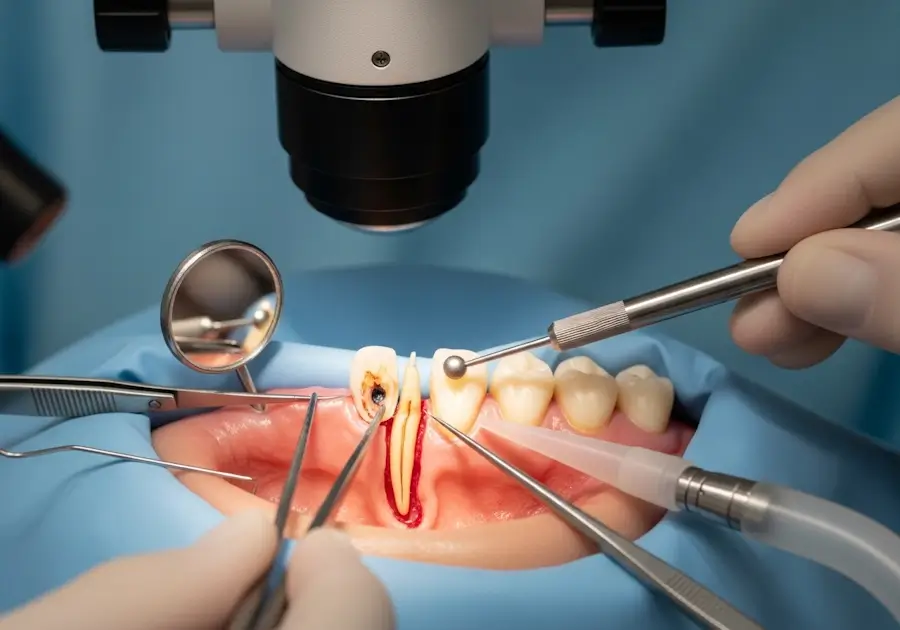
What Is an Apicoectomy?
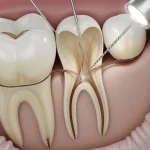
An apicoectomy is a targeted endodontic microsurgery that removes the very tip (apex) of the tooth root along with surrounding infected tissue. A small retrograde filling is then placed to seal the root canal system from the end, preventing future bacterial contamination. The crown and healthy portion of the root remain intact, maintaining natural function and aesthetics.
How Is Apicoectomy Different from Root Canal Treatment?
- Standard Root Canal (Orthograde): Access is gained through the crown; infected pulp is removed and the canal is cleaned and sealed from the top.
- Apicoectomy (Retrograde): Performed when the apical area remains infected despite previous root canal therapy. The surgeon approaches the root tip directly through a small incision in the gum, removes the infected apex, and seals the canal from the bottom.
Apicoectomy is typically a second-line treatment reserved for complex cases where conventional retreatment is not feasible or has failed.
When Is an Apicoectomy Necessary?
Dr. Anil Teke may recommend apicoectomy in the following clinical situations:
- Persistent or recurrent infection after root canal therapy
- Blocked root canals that prevent conventional retreatment
- Calcified or curved canals inaccessible from the crown
- Apical fracture or perforation of the root
- Presence of cysts or granulomas at the root tip
- Anatomical variations (extra roots, complex apical delta)
- Persistent symptoms (pain, swelling, sinus tract) with negative radiographic findings
This procedure is particularly valuable for anterior teeth where aesthetics and preservation of natural tooth structure are priorities.
The Apicoectomy Procedure – Step by Step
- Local Anesthesia – Complete numbness of the surgical area for patient comfort
- Small Gum Incision – A minimally invasive flap is raised near the root apex
- Infected Tissue Removal – Granulomas, cysts, and inflamed tissue are carefully excised
- Root Tip Resection – Approximately 2–3 mm of the apex is removed using precision instruments
- Retrograde Filling – The cleaned canal end is sealed with biocompatible material (usually MTA) under magnification
- Suturing – The gum is repositioned and closed with fine, self-dissolving sutures
- Healing – Bone naturally regenerates around the treated root over 6–12 months
The entire procedure typically takes 30–90 minutes depending on tooth location and complexity. Most patients experience only mild discomfort and return to normal activities the next day.
Recovery and Aftercare
- Minimal swelling and discomfort, easily managed with over-the-counter pain medication
- Temporary numbness resolves within a few hours
- Soft diet recommended for 2–3 days
- Excellent long-term success rate (85–95% with modern microsurgical techniques)
Why Choose Dr. Anil Teke for Your Apicoectomy?
- Highest success rates through evidence-based protocols
- Gentle, anxiety-free environment with sedation options if needed
- Comprehensive post-operative care and follow-up imaging
Don’t lose a savable tooth. If you have persistent pain or infection after root canal treatment, schedule a consultation today. Early apicoectomy can preserve your natural smile for years to come. Contact our clinic now for evaluation and personalized treatment planning.